Manus 2.0 and Cue: What Changes When You Delegate Work to AI Agents
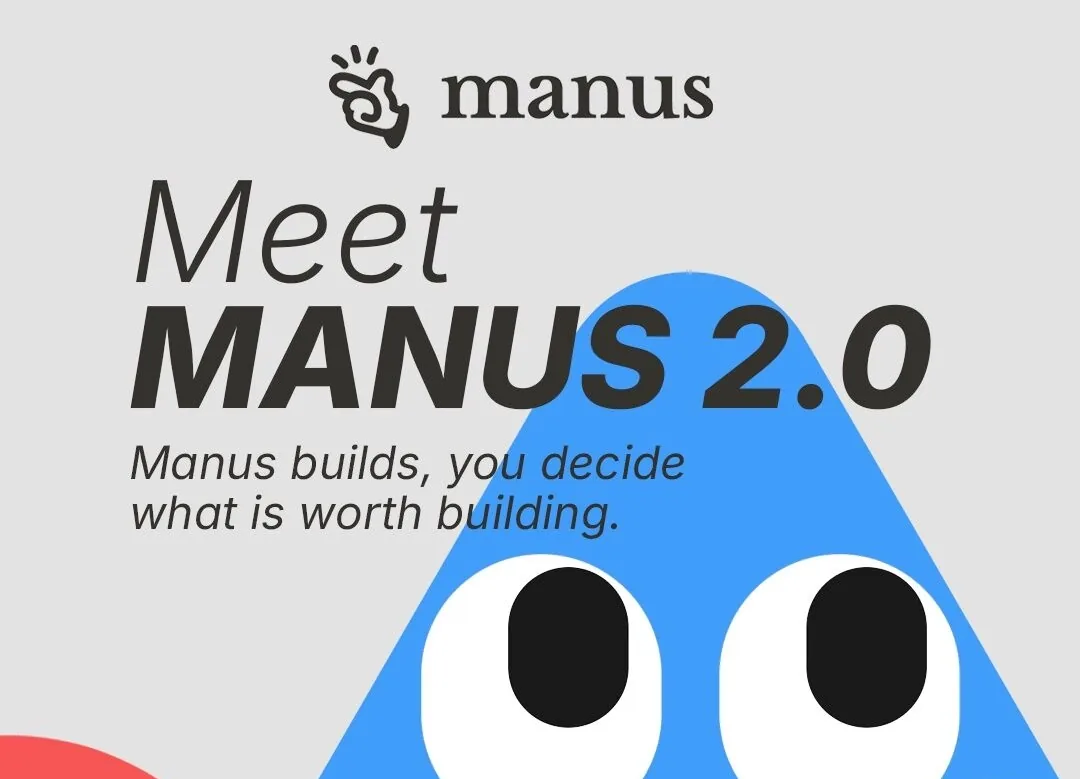
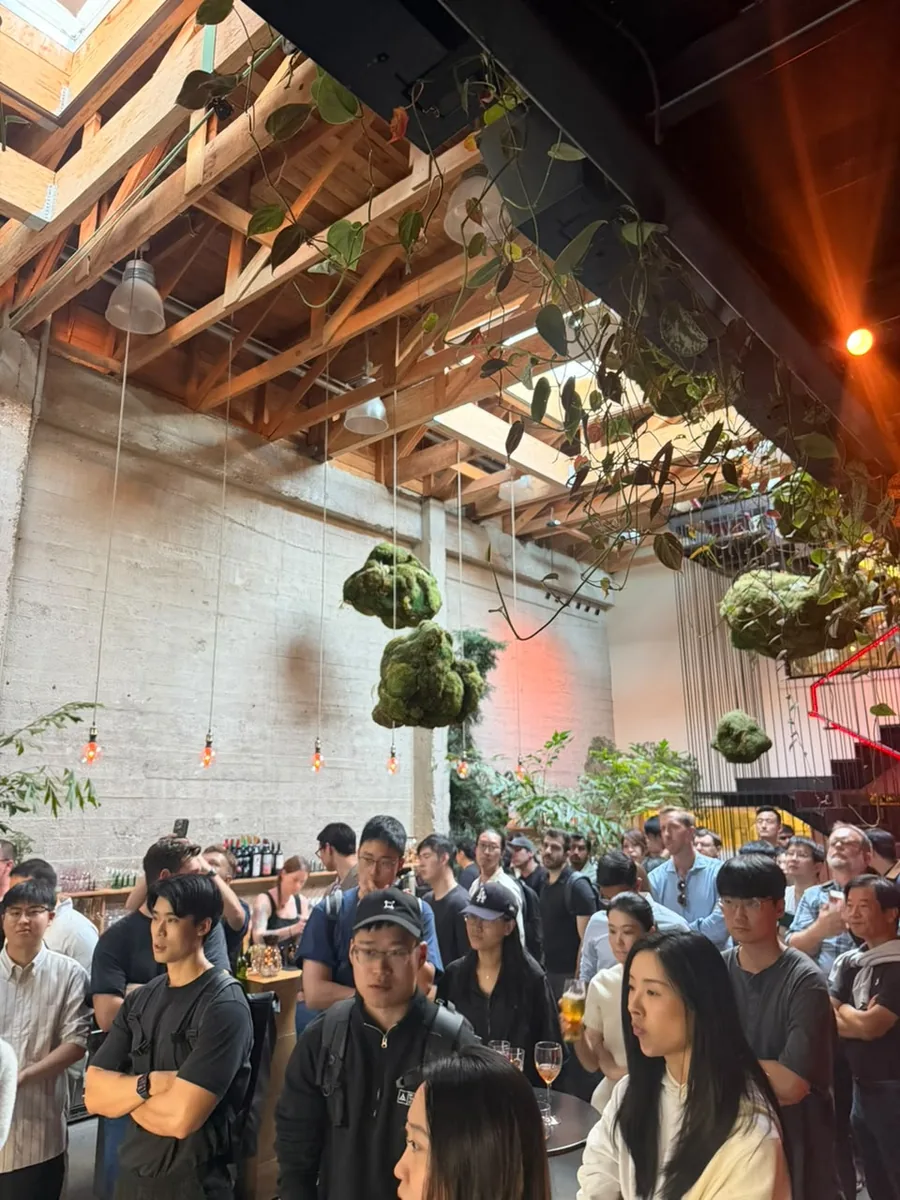
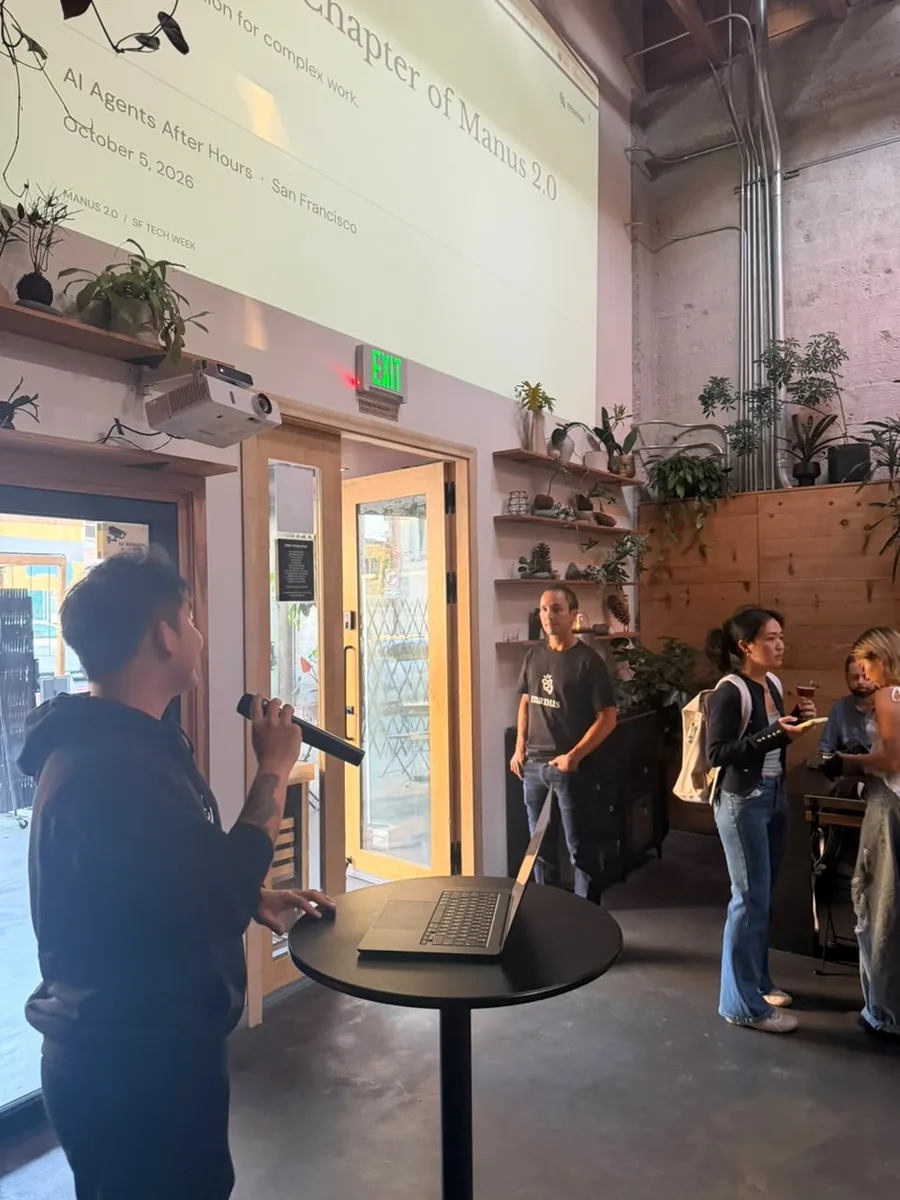
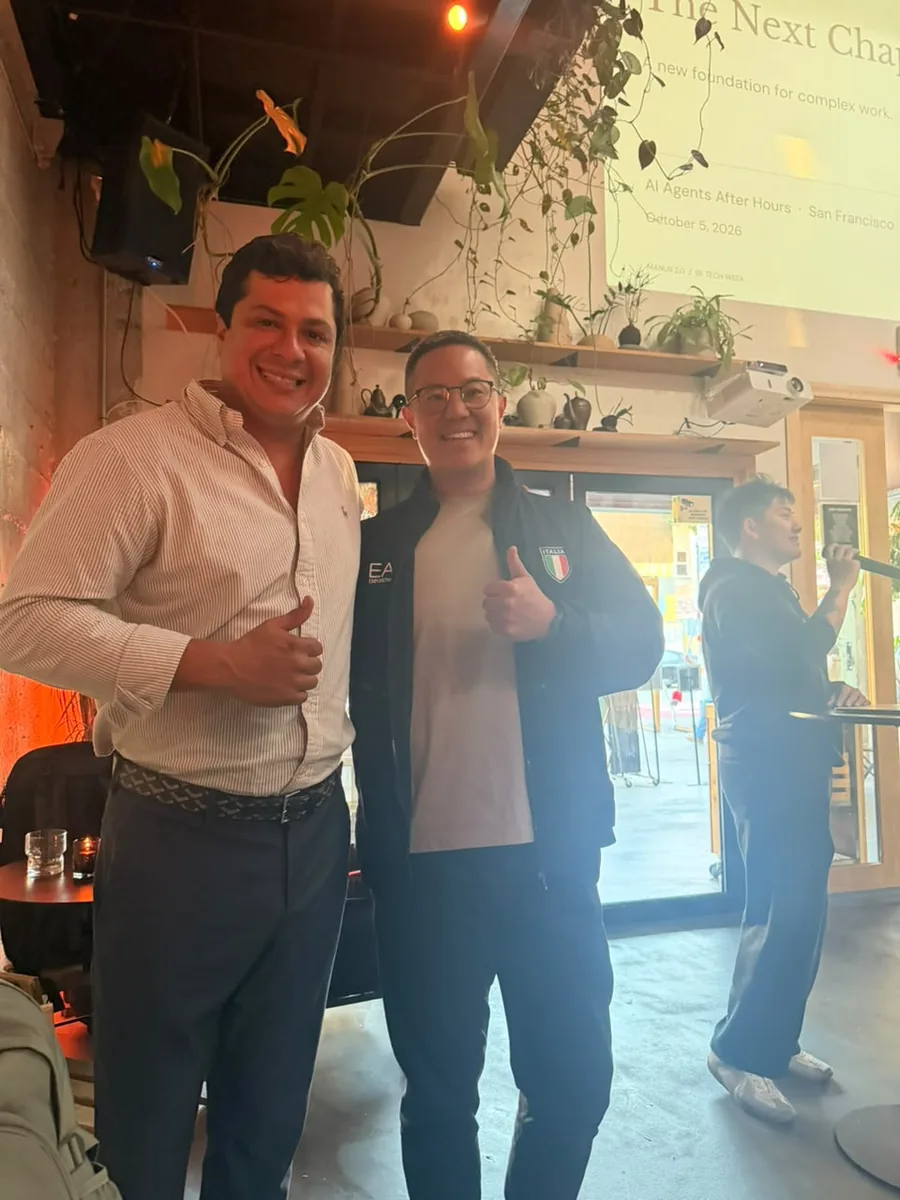
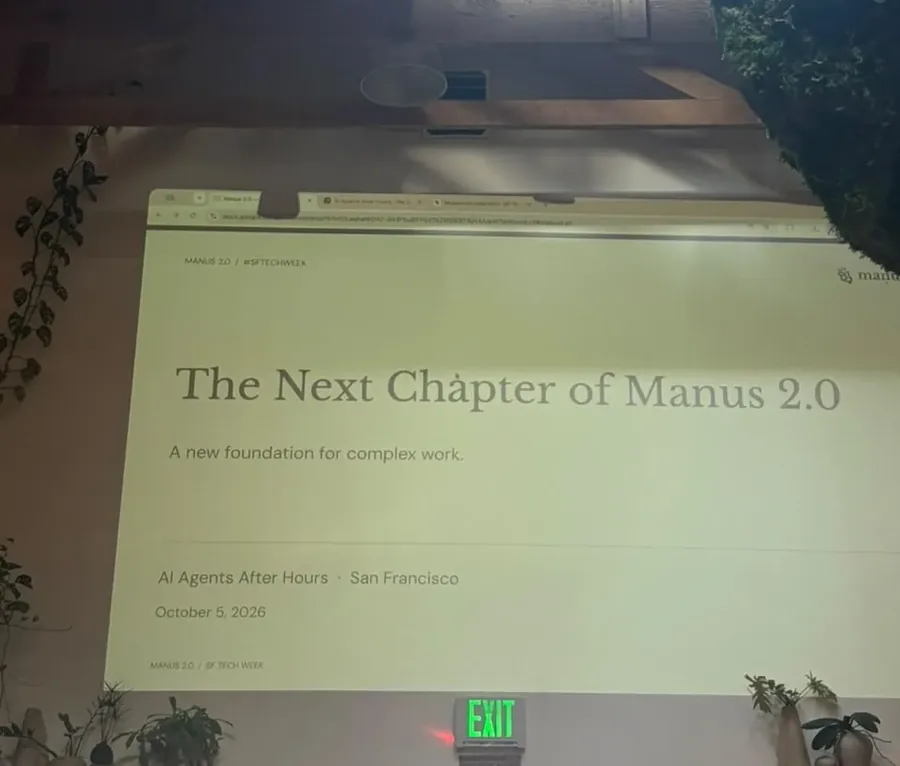
On October 5, 2026, Teseo Data Lab attended AI Agents After Hours: The Next Chapter of Manus, an event organized by Manus AI as part of SF Tech Week in San Francisco. The event brought together presentations of Manus 2.0 and Cue, spaces to build and share use cases with AI agents, and conversations with the Manus team and community.
For Teseo, what makes this evolution interesting is how work gets organized when a person can delegate tasks to a system that uses tools, retains context, and acts within defined permissions.
Manus 2.0 and Cue show two expressions of that proposition: an environment for developing and editing projects together with AI, and a personal-agent app with its own resources to handle requests. From our perspective, both raise a business question: what needs to be defined for a delegated task to produce a useful result?
The mix of presentations, hands-on work, and community conversation put the focus on applications of AI agents. That connection matters for companies: a tool can offer many features, but its usefulness becomes clearer when you examine what information it receives, what steps it executes, and what it delivers.
Manus 2.0 brings together capabilities to maintain a project, bring in tools as the task requires, and continue its execution across different environments. According to the official announcement, the update includes a new agent architecture, automations, compute resources, and Manus Studio, a shared workspace for people and AI.
Cascade is the system that coordinates the execution of Manus agents. The company presents it as an architecture that brings in specialized capabilities when the project needs them and preserves the relationship between its different deliverables.
Cloud Computer adds the option of contracting a dedicated environment for projects that need continuity, such as a service or an automation that must remain available. Automations, for its part, expands how tasks get started: in addition to scheduled times, it supports events in connected services, such as an incoming email or a change in a work tool.
For Teseo, these capabilities put the focus on process continuity. A business task may start with a request, require additional information, and resume when a response arrives. Designing that path requires defining which event starts the work and which result allows it to be considered done.
Manus Studio organizes work on documents, spreadsheets, presentations, code, websites, and other formats. The new features include dedicated environments for video and video games, along with computer-use functions in connected, authorized sessions.
The video editor illustrates a particularly useful idea: AI can prepare a first version and leave its components available for editing. A person can change images, audio, or sequences and keep working on that result.
From our perspective, the ability to review and adjust what was produced helps integrate AI into a professional workflow. The deliverable should allow the team to apply its knowledge, preserve decisions, and correct details.
Cue is a standalone Manus app focused on personal agents. It combines communication tools, payment methods, and a computing environment so each agent can handle tasks with the permissions the user configures. It also supports collaboration between agents within a shared conversation.
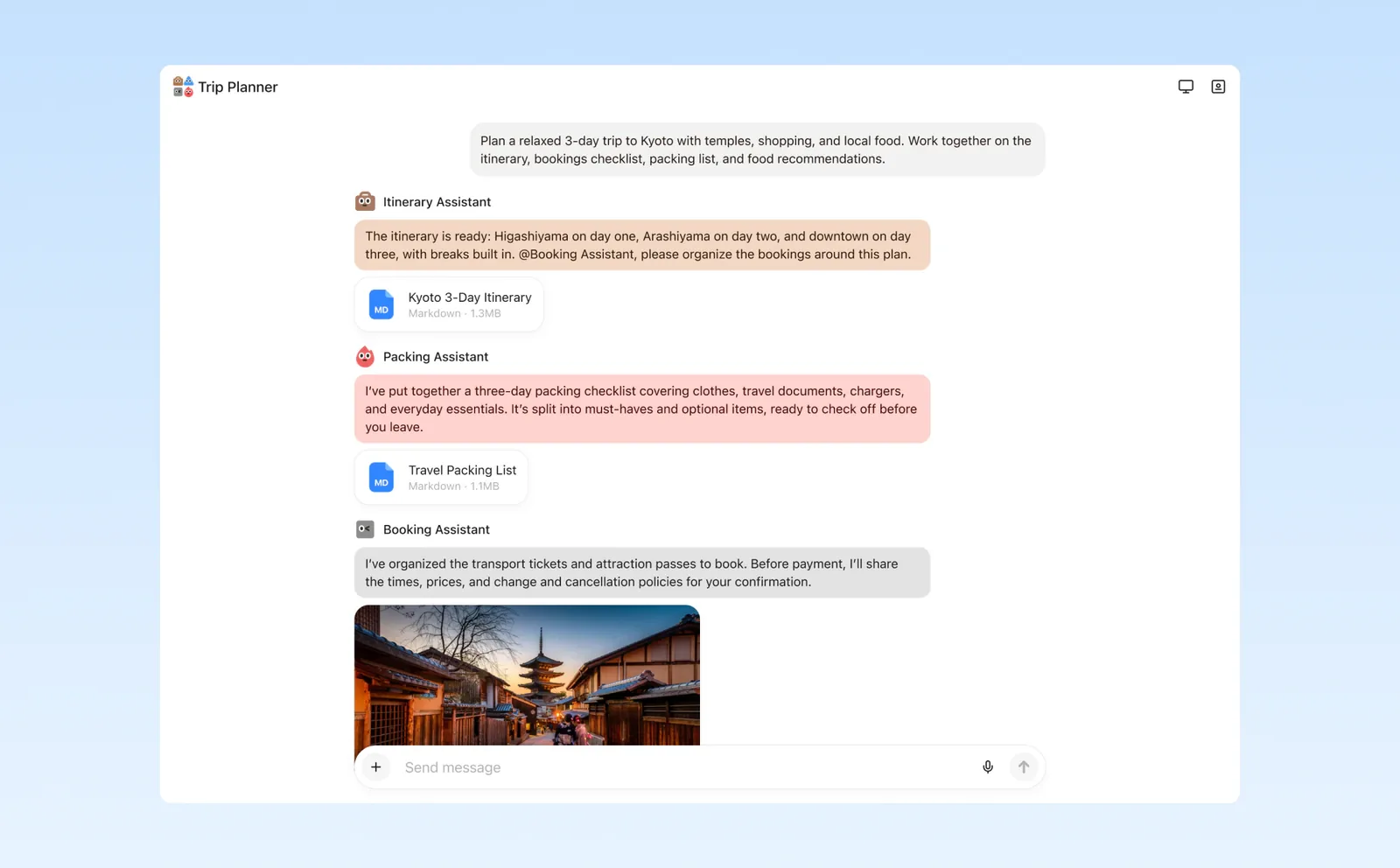
In the product description, that operational identity consists of four resources:
| Resource | Capability announced by Cue |
|---|---|
| Send and receive messages from its own address. | |
| Phone | Make or receive calls and send messages from its own number. |
| Wallet | Make payments subject to the permissions and limits set by the user. |
| Computer | Work in a dedicated environment with the necessary apps and tools. |
The examples published by Cue include travel coordination, availability checks, communication with businesses, and follow-up on requests. These cases show how a task can combine research, message exchanges, and a follow-up action.
The launch announcement described Cue as being in invitation-only early access. Its features and availability should be assessed against the actual terms of the service. For a company, the usefulness of this proposition depends on how well it fits the process, tools, and permissions required.
For Teseo, delegating work to an agent requires linking a goal to data, tools, and completion criteria. The ability to execute actions becomes valuable when the system receives enough context to identify what it must solve, what decisions it can make, and when it needs a person to step in.
These capabilities open opportunities to apply AI agents in commercial and operational processes such as the following:
| Process | Work that could be delegated | Required definition |
|---|---|---|
| Sales preparation | Gather background information and prepare a briefing. | Accepted sources, how current the data is, and the purpose of the meeting. |
| Request follow-up | Detect responses and organize pending items. | Which communications the agent can handle and which require review. |
| Materials preparation | Prepare and update documents or presentations. | Approved data, brand voice, and who owns the final version. |
| Operational coordination | Check availability and organize options. | Budget, constraints, and authorization to confirm an action. |
A quote request makes it possible to ground the new Manus 2.0 features in a concrete sales process. For example, a company receives a customer's requirements by email. With Automations, that message could trigger a workflow to review the request, organize the information, and prepare a proposal using the authorized price lists and commercial terms.
For the workflow to be useful, the agent would need access to current documents and the relevant tools. If data such as quantities, specifications, or delivery location is missing, it could flag those gaps and ask the sales lead to review before continuing.
In Manus Studio, the team could review and edit the proposal, adjust its terms, and approve the final version before it is sent. Working on an editable deliverable makes it possible to incorporate the judgment of the people who know the customer and the conditions of the deal.
Meanwhile, Cue's communication capabilities suggest supporting applications, such as coordinating a meeting or checking availability through an agent with its own email and phone, always within the defined permissions. In a sales process, this could help organize the next contact while the team focuses on evaluating the opportunity.
For Teseo, this kind of application shows how agents can be incorporated into process automation: connecting the receipt of a request with the preparation of a response, while keeping the team involved in decisions such as pricing, discounts, and delivery commitments.
In an industrial operation, that preparation also requires understanding units, technical specifications, coverage, and supply capacity. The quality of the result depends on the agent receiving enough information to interpret the request in the context of the business.
Business adoption of agents can start with a narrowly defined task and a reviewable result. Teseo's approach is to first define what work you want to improve, what information the organization has, and how you will verify that the result meets the request, and only then select the right tools.
In the case of a quote, the evaluation could consider whether the proposal includes all of the customer's requirements, uses current prices, and makes any missing data visible. It is also worth measuring the corrections needed and the total time to an approved version.
Our presence at the Manus event during SF Tech Week is part of that exploration: understanding how agents are evolving and connecting their possibilities with concrete business needs. Manus 2.0 and Cue offer examples of continuity, editing, and delegation that help frame better questions about adopting them.
Which task on your team could benefit from an agent with the right context? Talk to Teseo Data Lab to identify a process, review the available information, and define a first use case.
To dig deeper into how to evaluate a process, see our guide to AI automation, costs, and ROI criteria.
Our team can generate a custom analysis with market intelligence specific to your area.
Request analysis
Mexico's Western–North Pacific region concentrates more than one million economic units, yet of 96 candidate companies only 35 justified commercial priority. The method that narrows an industrial market down to the accounts that truly deserve effort: category, chain, corridor, account, and signal.
Teseo Data Lab is an active member of the OpenAI Partner Network at the Select tier. What it means for our clients, how the firm is evolving toward AI, Data & Industry Intelligence, and what was announced at OpenAI DevDay 2026.
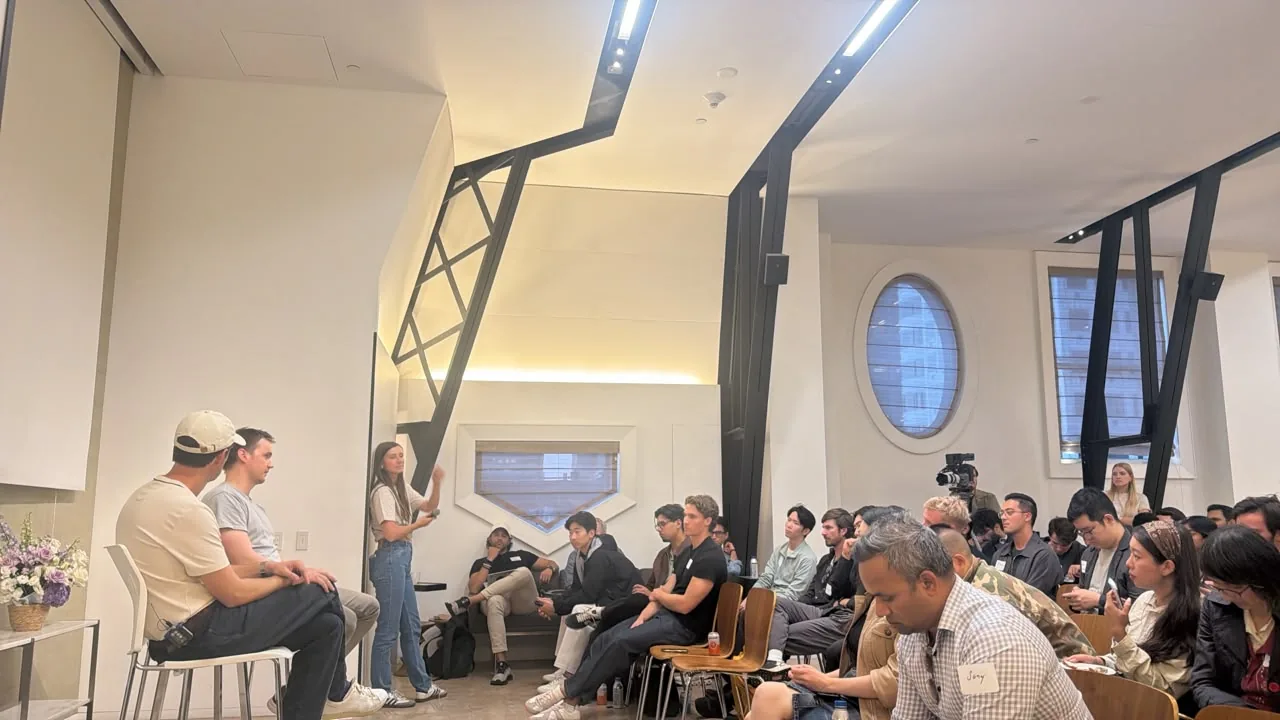
Teseo Data Lab attended How AI Models Learn to Do Real Work, OpenRouter's event in San Francisco. How industrial data could serve as a reference to check whether an AI model does the work a company actually needs.